

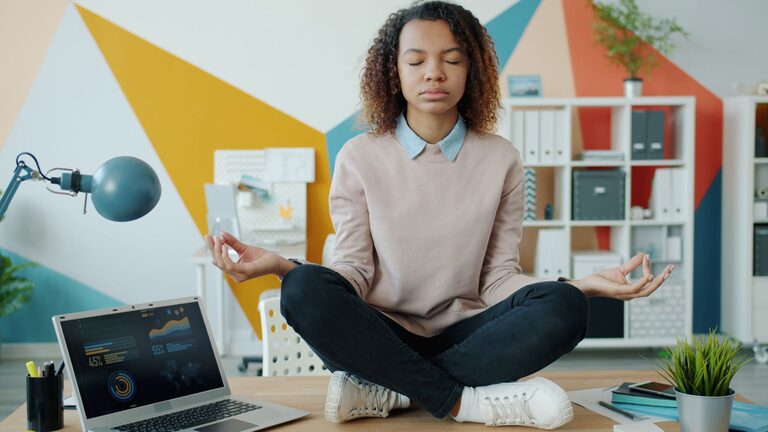


Adding more movement to your day does not require a gym membership or a complicated workout plan. Small actions, repeated often, can help break up long periods of sitting and make your daily routine feel more active.
The key is to look for simple opportunities to move. A short walk, a few stretches, or a choice to take the stairs can fit naturally into your schedule. Here are practical ways to add more movement without making your day feel overwhelming.
Start With Small Movement Goals
Large goals can feel difficult to maintain, especially when your schedule is busy. Instead, begin with small, clear changes that are easy to repeat.
For example, you might decide to:
– Walk for five minutes after lunch
– Stand up once every hour
– Stretch while waiting for coffee
– Take one extra lap around the store
– Use the stairs for one floor
– Spend a few minutes tidying each evening
These actions may seem minor, but they create regular opportunities to move. Once a habit feels comfortable, you can gradually add more time or choose another activity.
Add Walking to Everyday Tasks
Walking is one of the easiest ways to include more movement in your day. You do not need a special route or a large block of free time. Look for ways to turn ordinary tasks into short walks.
Try parking farther from an entrance, getting off public transportation one stop early, or walking to a nearby store instead of driving. If you work from home, walk around the room while listening to a voice message or making a phone call.
You can also create short walking breaks during the day:
– Walk around the building before returning to your desk
– Take a brief stroll after a meal
– Visit a coworker instead of sending a message when practical
– Walk in place while waiting for food to cook
– Explore a different street or path during an evening walk
The goal is not to make every activity longer. It is to notice where a few extra steps fit naturally.
Break Up Long Periods of Sitting
Many daily routines involve sitting for long stretches. Whether you are working, studying, reading, or watching a show, regular movement breaks can make your day feel less stationary.
Set a gentle reminder to stand up every 30 to 60 minutes. During the break, you can refill your water, stretch your shoulders, walk to another room, or simply stand and take a few steps.
If reminders feel distracting, connect movement with an activity you already do. For example, stand whenever you finish an email, walk during phone calls, or stretch after completing a task. Linking movement to an existing habit can make it easier to remember.
Make Your Workspace More Active
Your workspace can either encourage movement or make it easy to stay still for hours. A few small changes can help you build movement into your workday.
Place items you use often, such as your phone, notebook, or printer supplies, a short distance away. This creates natural reasons to stand and walk. You can also alternate between sitting and standing while working, if your setup allows it.
Other ideas include:
– Stand during virtual meetings when appropriate
– Use a restroom or break area on another floor
– Walk while reviewing notes or listening to audio
– Do a few shoulder rolls between tasks
– Keep your water bottle in a place that encourages refills
Movement does not need to interrupt your productivity. Short breaks can serve as simple transitions between tasks.
Turn Chores Into Movement Opportunities
Household chores involve more movement than they may seem to. Sweeping, washing dishes, carrying laundry, gardening, and organizing shelves can all help you spend less time sitting.
Try making chores more active by completing them in smaller sessions throughout the day. Put away a few items during a commercial break, tidy one room before dinner, or take an extra trip when carrying groceries inside.
You can also add music to routine tasks. A favorite playlist may make cleaning, organizing, or preparing food feel more enjoyable. The activity does not have to be intense to count as movement.
Use Active Downtime
Downtime is important, but it does not always have to happen while sitting. During parts of your day when you are watching, listening, or waiting, consider adding gentle movement.
You might stretch while watching television, walk during an audiobook, or do simple household tasks during a podcast. While waiting for a file to download or a pot of water to boil, stand up and move around instead of reaching for your phone.
If you enjoy television in the evening, use natural pauses as movement cues. Stand up during opening credits, walk around during commercial breaks, or stretch between episodes. These small choices can add variety without taking away from your relaxation time.
Plan Movement With Other People
Movement can be more enjoyable when it is social. Invite a friend, family member, or coworker to join you for a walk or another light activity.
Instead of meeting for every conversation at a table, suggest a walking meeting or a stroll around the neighborhood. Families can take a short walk after dinner, visit a local park, or play an active game together.
You can also make movement part of social plans by exploring a market, museum, garden, or outdoor event. The shared experience can make activity feel like a natural part of the day rather than a separate obligation.
Choose Activities You Enjoy
The best movement routine is one you are likely to continue. You do not need to follow popular trends or choose an activity that feels unpleasant. Think about what makes movement enjoyable for you.
Options might include:
– Dancing to music at home
– Taking nature walks
– Gardening
– Riding a bicycle
– Playing with children or pets
– Swimming
– Doing gentle mobility exercises
– Exploring new neighborhoods
Enjoyment matters because it helps movement become part of your lifestyle. Try different options and notice which ones fit your personality, schedule, and surroundings.
Make Movement Easy to Start
Preparation can remove some of the friction that keeps people inactive. Keep comfortable shoes near the door, place a resistance band beside your desk, or set out clothes for an evening walk.
You can also plan movement around times when you usually have more energy. A short walk in the morning may work well for one person, while another may prefer moving after work. There is no single perfect time.
Start with an amount that feels manageable. Even a few minutes can be a useful beginning. As the habit becomes familiar, you can decide whether to extend it.
Focus on Consistency, Not Perfection
Some days will be busier than others. Missing a planned walk or spending more time sitting does not mean you have failed. Simply look for the next opportunity to move.
A flexible approach is often easier to maintain than an all-or-nothing plan. On a busy day, take a few brief breaks. On a less hectic day, enjoy a longer walk or a more active hobby.
Keep your attention on regular progress. By adding small amounts of movement across your day, you can create a routine that feels practical, enjoyable, and sustainable.