








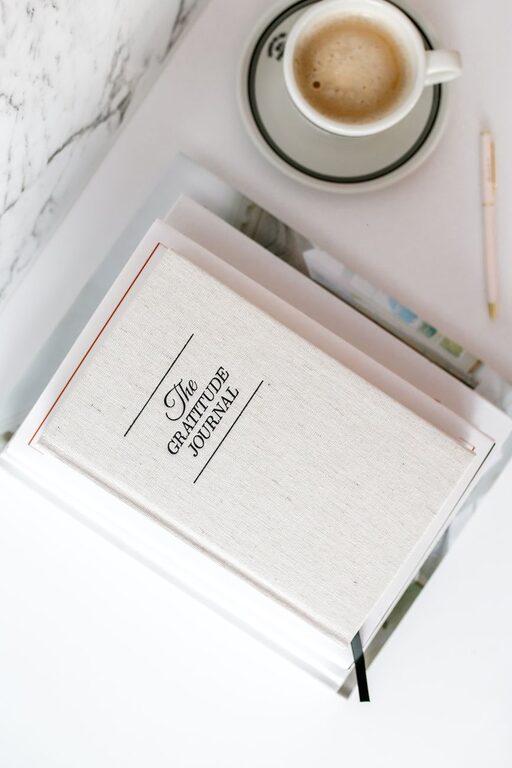
Starting a gratitude journal is a simple way to pause, notice positive moments, and reflect on the people, experiences, and details that add value to your day. You do not need special supplies, strong writing skills, or a large amount of free time. A few thoughtful sentences can be enough.
The key is to make journaling easy and enjoyable. By choosing a format that suits your routine and using simple prompts, you can create a practice that feels natural rather than like another task on your to-do list.
What Is a Gratitude Journal?
A gratitude journal is a notebook, app, or digital document where you regularly write down things you appreciate. These entries can focus on large events, such as reaching an important goal, or small details, such as a warm drink, a helpful conversation, or a quiet moment.
There is no single correct way to keep a gratitude journal. Some people write every morning, while others prefer to reflect at the end of the day. Some make long entries, and others list three brief items. The best approach is the one you can use consistently.
Choose Your Journal Format
Before you begin, choose a format that is convenient and comfortable. Consider the following options:
– Paper notebook: A notebook can make journaling feel personal and separate from other daily activities.
– Phone or tablet app: A digital option is useful if you always carry your device.
– Computer document: A document can make it easy to write longer entries and search past reflections.
– Printable pages: Templates may provide structure if you prefer guided writing.
– Voice notes: Recording a short reflection can work when writing is not convenient.
You may also want to choose a journal based on how much structure you prefer. A blank notebook offers complete freedom, while a guided journal may include prompts, dates, and space for responses.
Set a Simple Schedule
A regular schedule can help turn gratitude journaling into a habit. Start with a routine that feels realistic instead of aiming for an ideal schedule that may be difficult to maintain.
You could write:
– In the morning while having breakfast
– During a lunch break
– In the evening before bed
– After completing a daily walk
– Once a week during a quiet period
If you are new to journaling, try writing for five minutes a day or three times a week. You can always increase the frequency later. Consistency matters more than the length of each entry.
It can also help to connect journaling with an existing habit. For example, keep your notebook beside your coffee mug, place it on your nightstand, or set a gentle reminder on your phone.
Start With Three Simple Entries
A common starting point is to write three things you appreciate. These entries can be specific or simple. For example:
- A friend who checked in during a busy day
- A comfortable chair where you could rest
- A clear morning with time to walk outside
Specific details often make an entry more meaningful. Instead of writing “I am grateful for food,” you might write, “I enjoyed the vegetable soup I made for lunch because it was warm and filling.” The extra detail helps you remember the experience more clearly.
Do not worry about making every entry original. Some positive parts of life appear regularly, and it is perfectly fine to write about them more than once.
Use Gratitude Journal Prompts
Prompts can help when you are unsure what to write. Try one of these questions:
People and Relationships
– Who made my day easier or more enjoyable?
– What quality do I appreciate in someone I know?
– What is a conversation I am glad I had?
– Who has taught me something useful?
Everyday Experiences
– What small moment made me smile today?
– What part of my routine did I enjoy?
– What place felt comfortable or welcoming?
– What sound, smell, sight, or taste did I appreciate?
Personal Effort
– What did I handle well today?
– What skill am I glad to have?
– What task did I complete?
– What challenge helped me learn something?
Simple Comforts
– What made me feel relaxed?
– What item did I find useful today?
– What part of my home did I enjoy?
– What is something I often overlook but value?
Looking Back
– What is a positive memory from this week?
– What past experience still makes me smile?
– What opportunity am I glad I accepted?
– What change has improved my daily life?
You do not need to answer a new prompt every day. Repeat the questions that help you reflect most naturally.
Make Entries Specific and Personal
A gratitude journal is more useful when your entries reflect your actual experience. Try to include a detail, explain why something mattered, or describe how it affected your day.
Compare these examples:
– “I am grateful for my family.”
– “I appreciated my sister’s message today because it reminded me that I have someone I can talk to.”
The second entry provides more context and may be easier to remember later. You can also add a sentence about your senses, emotions, or surroundings:
> “I am grateful for the cool air during my evening walk. The quiet streets helped me slow down after a busy afternoon.”
There is no need to force a positive interpretation of difficult experiences. Write honestly and focus on something you genuinely value, even if it is small.
Keep the Practice Flexible
Some days may be busy, tiring, or uneventful. On those days, lower the effort required. Write one sentence, use a short list, or record a voice note. A brief entry still counts.
You can also change your format when your routine changes. If mornings become rushed, move journaling to the evening. If daily writing feels repetitive, try a weekly summary. Flexibility makes the practice easier to continue over time.
Avoid treating missed days as failure. Simply return to your journal when you are ready. A habit can continue even when it is not perfectly consistent.
Review Your Past Entries
Looking back through your journal can help you notice patterns and remember meaningful moments. Set aside time once a week or once a month to read a few earlier entries.
As you review, consider:
– Which people appear often?
– What activities consistently bring you enjoyment?
– What small comforts do you value?
– Have your priorities changed?
– What positive moments did you forget until reading about them?
You can also create a collection of favorite entries at the end of each month. This may be a short list of memorable moments, useful lessons, or things you hope to appreciate more often.
Common Mistakes to Avoid
Gratitude journaling should be personal and manageable. A few common mistakes can make it feel less enjoyable:
– Trying to write too much: Long entries are optional. A few words may be enough.
– Comparing your journal to someone else’s: Your routine does not need to look like another person’s.
– Forcing a positive mood: Honest reflection is more useful than writing what you think you should feel.
– Using the same format forever: Change your prompts, schedule, or medium when needed.
– Expecting immediate results: Give yourself time to discover what type of journaling suits you.
Begin With One Small Step
To start today, choose a notebook or digital space and write down three things you appreciate. Add one detail about why each item matters. Then decide when you will write your next entry.
A gratitude journal does not need to be elaborate. It is simply a regular opportunity to notice what is meaningful in your everyday life. Start small, write honestly, and allow the practice to develop at a pace that works for you.