




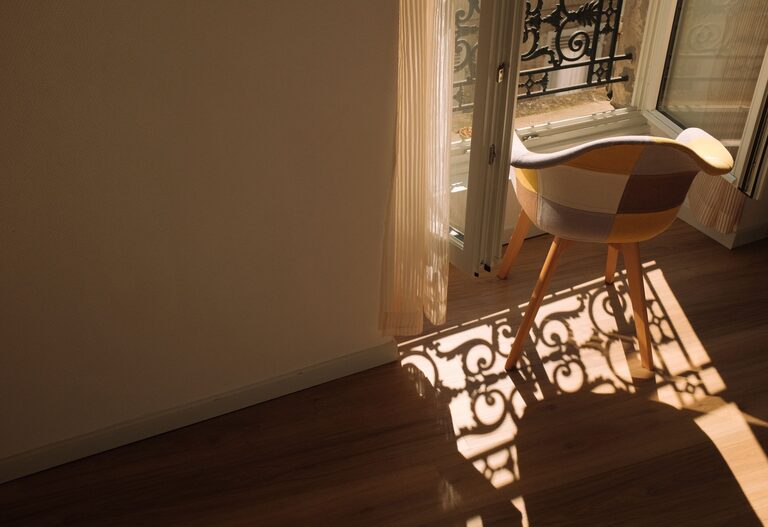
A dark room can feel cozy, but it may also seem smaller, less inviting, or difficult to use during the day. The good news is that you do not need a full renovation to make the space feel brighter. A few thoughtful changes to lighting, color, furniture, and accessories can create a lighter and more comfortable room.
Start With the Lighting
The fastest way to brighten a dark room is to improve its lighting. Many rooms rely on a single ceiling fixture, which can leave corners and walls in shadow. A layered lighting plan creates a more balanced effect.
Add Multiple Light Sources
Use a mix of lighting types rather than depending on one lamp. Consider adding:
– A floor lamp beside a sofa or reading chair
– Table lamps on side tables, desks, or shelves
– Wall sconces in areas with limited floor space
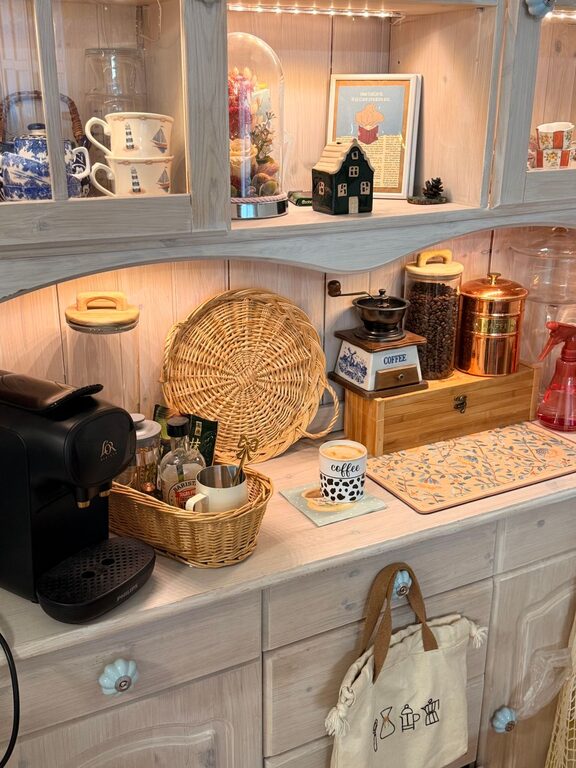
– Under-cabinet lights in a kitchen or workspace
– Small accent lights to highlight artwork or shelving
Place lights at different heights to spread illumination across the room. A floor lamp can brighten a tall corner, while a table lamp adds a warm glow at eye level.
Choose the Right Bulbs
Light bulb color can affect how a room feels. Soft white bulbs create a warm, comfortable atmosphere, while daylight bulbs offer a cooler, brighter look. For a room that feels especially dim, try a neutral white bulb that provides clear light without making the space feel harsh.
Check the recommended bulb strength for each fixture, and use dimmable bulbs when possible. Dimmers let you adjust the room for different activities and times of day.
Use Mirrors to Reflect Light
Mirrors can make a room feel more open while helping distribute available light. Place a mirror across from or beside a window so it can reflect daylight into the room. Even a smaller mirror can make a difference when positioned carefully.
A large wall mirror can become a focal point above a console or sofa. If one large mirror does not suit your style, create a group of smaller mirrors with simple frames. Keep the arrangement intentional so it adds interest without making the wall feel crowded.
Mirrored furniture, glass tabletops, and glossy accessories can also reflect light. Use these finishes in moderation to avoid creating a room that feels overly shiny.
Lighten the Walls
Wall color has a strong effect on how bright a room appears. Light shades reflect more light than deep colors, helping the space feel airier.
Good options include:
– Warm white
– Soft beige
– Pale gray
– Light blue
– Muted green
– Cream
The best choice depends on the room’s natural light. A warm white can make a north-facing room feel more welcoming, while a pale blue or gray may work well in a room with warmer sunlight.
You do not have to repaint every wall. Painting one dark accent wall a lighter shade can noticeably change the room. If painting is not possible, removable wallpaper, light-colored wall art, or fabric wall hangings can help create a brighter appearance.
Make the Most of the Windows
Windows are one of the room’s most valuable sources of light, so avoid blocking them.
Replace heavy curtains with lightweight fabrics such as cotton, linen, or sheer panels. Choose curtains in a light color and hang them slightly wider and higher than the window frame. This allows more glass to remain visible and can make the window appear larger.
Keep blinds and shades open during the day whenever privacy allows. Clean the glass regularly, since dust and smudges can reduce the amount of light entering the room. Also, move tall furniture away from the window if it blocks sunlight.
If privacy is a concern, use a combination of sheer curtains and adjustable shades. This gives you control without making the room feel closed off.
Choose Bright, Reflective Accents
Small decorative updates can add brightness without changing the entire room. Look for items with light colors or reflective surfaces, such as:
– Pale throw pillows
– Light area rugs
– White or cream bedding
– Glass vases
– Metallic picture frames
– Ceramic lamps
– Light wood accessories
A rug with a simple pattern can brighten the floor and make the room feel more finished. If the room already has dark flooring, choose a rug in a lighter shade to create contrast.
Avoid adding too many small accessories. A few carefully chosen pieces will reflect light and create a cleaner look, while excessive decoration can make the room feel busy and darker.
Rearrange the Furniture
Furniture placement can have a major effect on how light moves through a room. Keep large pieces from blocking windows, lamps, or pathways. If possible, position sofas and chairs so they do not create a solid wall across the room.
Furniture with raised legs often makes a space feel more open because more of the floor remains visible. Open shelving can also feel lighter than bulky, closed storage.
Try moving dark or oversized furniture away from the brightest part of the room. You may not need to replace it; simply changing its position can improve the flow of light.
Keep the Floor Visible
A clear floor helps a room feel larger and brighter. Reduce unnecessary baskets, boxes, and floor decorations. If you need storage, choose pieces that fit neatly beneath a console, bed, or table.
In smaller rooms, consider furniture that serves more than one purpose, such as an ottoman with storage or a narrow console with drawers. Less visual clutter makes the available light more noticeable.
Add Plants Carefully
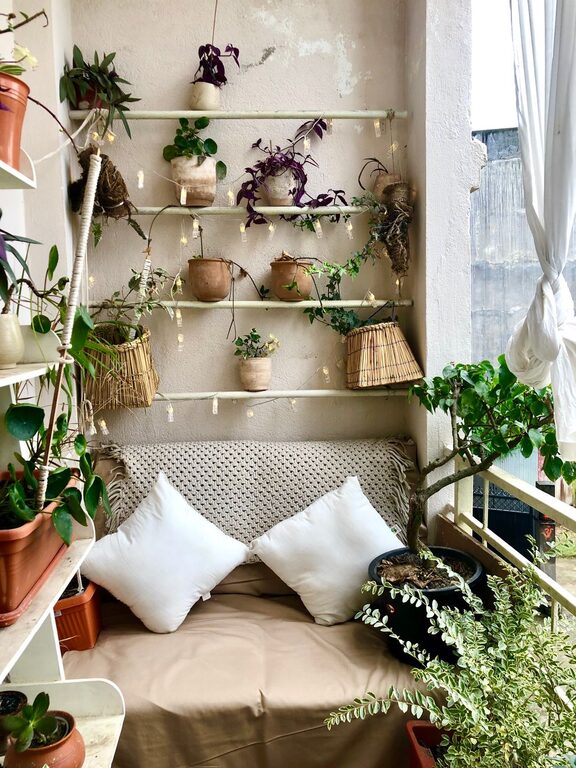
Plants can bring life and color to a dark room, but they should be placed where they can grow well. Choose varieties suited to the amount of natural light available, and avoid blocking windows with large leaves or tall pots.
A small plant on a shelf, a tabletop, or a windowsill can add a fresh touch without taking over the room. Light-colored planters can contribute to the brighter look. If natural light is very limited, consider high-quality artificial plants for decoration.
Use Light-Colored Furniture and Textiles
You do not need to replace every dark piece of furniture. Instead, soften the overall look with lighter textiles. A cream slipcover, pale blanket, or neutral cushions can change the appearance of a sofa or chair quickly.
In a bedroom, use light bedding and curtains to create a more open feel. In a living room, pair a dark coffee table or cabinet with a pale rug and light upholstery. This contrast can keep the room interesting while preventing it from feeling heavy.
Brighten the Ceiling and Trim
The ceiling is often overlooked, but a light ceiling can help reflect both natural and artificial light. If you are painting, choose a finish that complements the walls and avoid colors that make the ceiling feel lower.
Fresh, light-colored trim around doors and windows can also add definition. Even cleaning and touching up scuffed trim may make the entire room look brighter and better maintained.
Finish With a Simple Decluttering Session
Before buying anything new, remove items that no longer serve the room. Clear crowded surfaces, organize visible cords, and store items that are rarely used. A tidy room reflects light more effectively and usually feels more spacious.
Work one area at a time, such as the windowsill, coffee table, or bookcase. Keep the pieces that are useful or meaningful, and leave some open space around them.
With better lighting, lighter accents, clear windows, and a thoughtful layout, even a dark room can feel brighter and more welcoming. Start with one or two easy changes, then build on the results as your space and budget allow.