





Taking good care of your clothes helps them look better, feel more comfortable, and last longer. It can also reduce the need to replace worn items and make your wardrobe easier to manage. Small changes to your laundry and storage habits can make a noticeable difference over time.
Read the Care Label
Care labels provide the best starting point for looking after any garment. They explain whether an item can be machine washed, hand washed, dry cleaned, tumble dried, or ironed.
Before washing a new piece of clothing, check the label for:
– Recommended water temperature
– Washing cycle or hand-wash instructions
– Drying instructions
– Ironing temperature
– Bleaching restrictions
– Special care requirements
When a label recommends gentle treatment, follow it even if the fabric appears durable. Heat, friction, and strong cleaning products can gradually weaken fibers, fade colors, or change the shape of a garment.
Wash Clothes Only When Needed
Washing too often can cause unnecessary wear. Not every item needs to go through a full wash after one use.
Items such as socks, underwear, workout clothing, and clothing worn in hot weather usually need frequent washing. However, sweaters, jackets, jeans, and lightly worn shirts can often be worn several times before washing.
After wearing a garment, ask yourself:
– Does it have a noticeable odor?
– Is it visibly dirty or stained?
– Has it been exposed to sweat, smoke, or other strong smells?
– Can it be aired out instead?
If an item is still fresh, hang it in a well-ventilated area before putting it back in your closet. Avoid returning damp or sweaty clothing directly to storage.
Sort Laundry Carefully
Sorting clothes helps prevent color transfer and fabric damage. At a minimum, separate whites, dark colors, and bright colors. You may also want to create separate loads for delicate fabrics, towels, and heavily soiled items.
Turn dark or printed garments inside out before washing. This helps protect the outer surface from friction and can reduce fading. Close zippers, fasten hooks, and secure buttons to prevent them from catching on other items.
Do not overload the washing machine. Clothes need room to move through the water and rinse properly. An overly full machine can leave garments less clean and create extra rubbing between fabrics.
Choose Cooler Water
Hot water is not always necessary for everyday laundry. Cooler settings can help preserve color, reduce shrinkage, and use less energy.
Use the warmest setting recommended on the care label when dealing with heavily soiled items. For lightly worn clothes, cold or cool water is often enough, especially when using a suitable laundry detergent.
Cooler water is particularly helpful for:
– Dark clothing
– Bright colors
– Stretch fabrics
– Printed shirts
– Delicate materials
– Garments that may shrink
Avoid sudden temperature changes with delicate fabrics, as they can affect the shape or texture of the garment.
Use the Right Amount of Detergent
More detergent does not always mean cleaner clothes. Using too much can leave residue on fabric, make clothes feel stiff, and require extra rinsing.
Follow the detergent package instructions and adjust the amount based on the load size and soil level. If your water is soft, you may need less detergent than the recommended maximum.
For delicate garments, use a mild detergent when the care label allows it. Avoid combining different cleaning products unless the instructions specifically say they are safe to use together.
Treat Stains Quickly
Fresh stains are usually easier to remove than stains that have dried and set into the fabric. As soon as possible, gently blot the area with a clean cloth or paper towel. Avoid rubbing aggressively, since this can spread the stain or push it deeper into the fibers.
For a washable garment:
- Check the care label.
- Rinse or blot the stain as directed for the fabric.
- Apply a suitable stain treatment.
- Let it sit for the recommended time.
- Wash the garment according to the label.
- Check the stain before drying.
Do not place a stained item in the dryer until the mark is gone. Heat can make some stains much harder to remove.
Protect Clothes in the Dryer
High heat can shrink fabric, weaken elastic, and cause colors to fade. Whenever possible, use a lower heat setting or air-dry your clothes.
Remove garments from the dryer soon after the cycle ends. This helps reduce wrinkles and prevents clothes from sitting in a warm, damp environment. Shake each item gently and hang or fold it right away.
Avoid drying delicate items, knitwear, and clothes with elastic details in a machine unless the care label approves it. Lay sweaters and other shaped garments flat on a clean, dry towel so they keep their form.
Air-Dry With Care
Air-drying is gentle, but the wrong method can still stretch or fade clothing. Use sturdy hangers for shirts, dresses, and jackets. For knitwear, avoid hanging because the shoulders may stretch or develop bumps.
Keep drying clothes away from direct, intense sunlight if fading is a concern. Make sure there is enough space between items for air to circulate. Clothes that remain damp for too long can develop an unpleasant smell.
Before storing an item, confirm that it is completely dry.
Store Clothes Properly
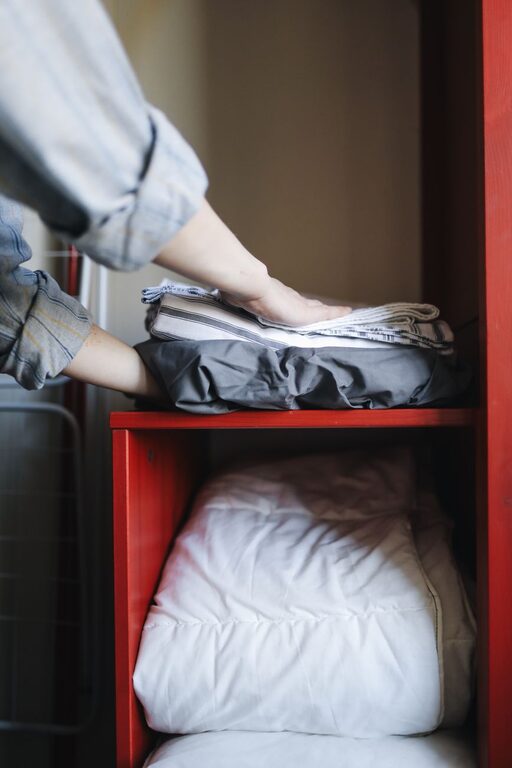
Good storage protects clothing between wears. Keep your closet clean, dry, and reasonably well ventilated. Avoid packing garments so tightly that they become permanently wrinkled.
Use:
– Padded or shaped hangers for delicate garments
– Strong, nonslip hangers for coats and jackets
– Folded storage for sweaters and stretchable knits
– Breathable storage bags for seasonal clothing
– Drawer dividers for smaller items
Avoid leaving clothing on the floor or in a damp area. Do not store clothes in airtight containers unless they are completely dry, since trapped moisture can lead to musty odors.
Before storing seasonal items, wash or clean them and check for stains. Food, sweat, and other residue can attract pests or become harder to remove during long-term storage.
Handle Clothes Gently
Simple habits can prevent unnecessary damage. Remove jewelry, watches, or bags that may snag fabric before putting on a delicate garment. Be careful when sitting on rough surfaces or carrying items with sharp edges.
For jeans and other sturdy garments, avoid pulling belt loops or pockets when dressing. For shirts and sweaters, use both hands when taking them off instead of pulling from one side.
Follow the same care approach for accessories such as scarves, hats, and belts. Keeping these items clean and stored properly helps complete outfits without putting extra pressure on your clothing.
Repair Small Problems Early
A loose button, tiny tear, or frayed seam can become a larger problem if ignored. Keep a small repair kit with needles, thread, spare buttons, scissors, and safety pins.
Simple repairs may include:
– Sewing on a loose button
– Securing a small split seam
– Replacing a worn shoelace
– Removing loose threads
– Reinforcing a pocket corner
If a repair is beyond your skill level, a local tailor or clothing repair service may be able to help. Fixing a favorite item is often easier than replacing it.
Refresh Your Clothing Routine
Caring for clothes longer does not require complicated equipment or expensive products. Start with a few consistent habits: read care labels, wash only when needed, use cooler settings, avoid excessive drying heat, and store everything clean and dry.
These small steps protect fabric, reduce everyday wear, and help your favorite pieces remain useful for many seasons.