








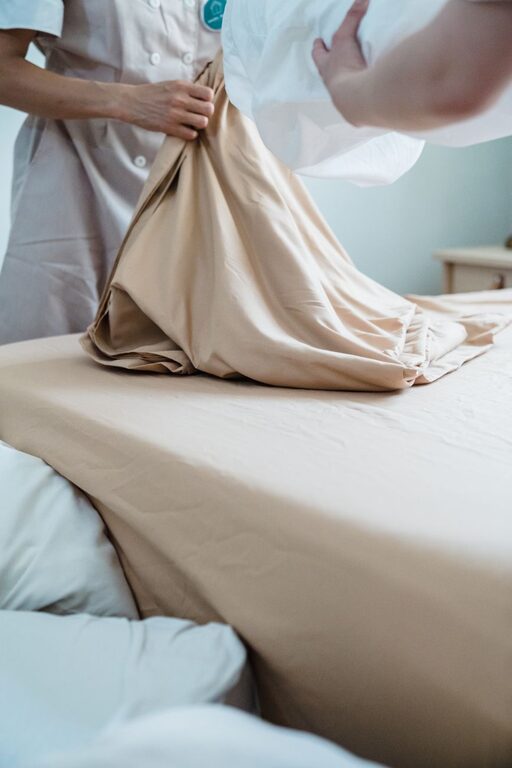
Why Bedding Rotation Matters
Regularly rotating and caring for bedding helps it wear evenly, stay fresh, and last longer. Sheets and blankets collect body oils, moisture, dust, and everyday debris. Mattresses and pillows can also develop uneven wear when they are used in the same position night after night.
A simple care routine includes three parts:
– Washing sheets and covers on a regular schedule
– Rotating mattresses, pillows, and blankets when appropriate
– Storing seasonal bedding in a clean, dry place
Always check the care label and the manufacturer’s instructions first. Fabric types, mattress designs, and filling materials can require different treatment.
How Often to Wash Bedding
The right washing schedule depends on personal habits, household conditions, and the type of bedding. As a general guide:
– Sheets and pillowcases: Wash every one to two weeks
– Duvet covers and comforter covers: Wash every two to four weeks
– Blankets and comforters: Wash every one to three months, or as directed
– Pillows: Clean every three to six months if the care label allows
– Mattress protectors: Wash every one to two months
– Decorative throws: Wash several times per season or when visibly soiled
Bedding may need more frequent cleaning if someone sweats heavily, pets sleep on the bed, or the room is dusty. A mattress protector can help shield the mattress from spills and everyday buildup, but it still needs regular washing.
Rotating Sheets and Covers
Rotating sheets does not mean keeping the same set on the bed for longer. Instead, use at least two or three complete bedding sets and alternate them.
Create a Simple Bedding Rotation
- Remove the used sheets and pillowcases.
- Check them for stains or damage.
- Wash them according to the care label.
- Dry them completely before folding.
- Place a clean set on the bed.
- Store the clean, dry set in a labeled area.
Having multiple sets reduces wear on any one set and makes laundry easier to manage. It also prevents the need to put damp or partly dried bedding back on the bed.
For even wear, rotate fitted sheets between compatible beds only if they are the same size and material. Do not force a fitted sheet onto a mattress with a different depth, as this can stretch the elastic and cause poor fit.
How to Rotate a Mattress
Mattress rotation can help distribute pressure and reduce uneven body impressions. However, not every mattress should be turned or flipped. Always follow the manufacturer’s guidance.
Rotating a One-Sided Mattress
Many modern mattresses are designed to be used on one side only. These mattresses can often be rotated from head to foot.
A common schedule is:
– Rotate once every three months during the first year
– Rotate every six months after the first year
If the manufacturer recommends a different schedule, follow those instructions instead. Some mattresses have specific zones or layers that must remain in a particular position.
Flipping a Two-Sided Mattress
Some traditional mattresses are designed to be used on both sides. If yours is two-sided, you may be able to flip it from top to bottom and rotate it from head to foot.
A safe method is to:
- Remove all bedding and accessories.
- Ask another person to help with heavy mattresses.
- Rotate the mattress carefully without dragging it across the floor.
- Flip it only if the design allows it.
- Check that it rests evenly on the bed frame.
Do not flip a one-sided mattress just to extend its life. Doing so may damage its comfort layers or make it less supportive.
Caring for Pillows
Pillows can develop flat areas or clumps over time. Regular fluffing and repositioning can help them keep their shape.
Fluff pillows by gently squeezing and releasing them from both sides. You can also turn them over each time you change the sheets. Avoid folding or bending foam pillows, which may damage their internal structure.
Pillow care varies by filling:
– Down and feather pillows: Follow the label carefully and dry them completely to prevent clumping.
– Polyester-filled pillows: Many can be machine washed, but use a gentle cycle and thorough drying.
– Memory foam pillows: Usually should not be placed in a washing machine; clean the cover and spot-clean the foam as directed.
– Latex pillows: Typically require spot cleaning and air drying.
Use pillow protectors beneath pillowcases when recommended. Replace pillows when they remain flat, lumpy, stained, or uncomfortable after cleaning and fluffing.
Washing Bedding the Right Way
Before washing, close zippers, fasten buttons, and remove decorative items. Do not overload the machine. Bedding needs room to move freely so water and detergent can reach all areas.
Helpful washing tips include:
– Separate light and dark colors.
– Wash delicate fabrics with similar items.
– Use the recommended amount of detergent.
– Choose a water temperature suitable for the fabric.
– Avoid excessive fabric softener, which can leave a coating on some materials.
– Wash bulky comforters in a machine large enough to handle them.
When in doubt, use a professional cleaner for large, delicate, or heavily filled items. A crowded home washer may not clean or rinse bulky bedding effectively.
Drying and Storing Bedding
Bedding should be completely dry before it is folded or placed on a bed. Even slight dampness can create an unpleasant odor and encourage fabric damage.
Use a low or medium dryer setting when the care label allows it. Add dryer balls for bulky items if recommended, and pause the cycle occasionally to shake out comforters and blankets. Air-drying can help protect delicate fabrics, but make sure the item is fully dry before storage.
For storage:
– Fold bedding loosely to reduce deep creases.
– Use breathable fabric bags or shelves when possible.
– Avoid sealing natural-fill bedding in airtight plastic for long periods.
– Store items away from direct sunlight, moisture, and strong odors.
– Label seasonal sets so they are easy to find.
– Keep each sheet set together by placing the folded pieces inside one matching pillowcase.
Do not store bedding in a damp basement, unventilated attic, or crowded container where air cannot circulate.
Inspect Bedding Regularly
When changing or rotating bedding, take a moment to inspect it. Look for loose seams, thinning fabric, broken elastic, stains, and unpleasant odors that remain after washing.
Check the mattress for sagging, damage, or a protector that no longer fits properly. Examine the bed frame and slats as well. A stable, properly supported mattress is less likely to develop uneven wear.
Replace bedding when it can no longer be cleaned effectively, no longer fits securely, or has become uncomfortable. Repairing small tears early may extend the life of sheets and covers, but badly worn items are usually better suited for recycling or other household uses.
A Practical Bedding Care Schedule
A simple routine can keep the task manageable:
Weekly
– Change sheets and pillowcases as needed.
– Air the bed briefly while making the room.
– Fluff and turn pillows.
– Check for visible stains or spills.
Monthly
– Wash mattress and pillow protectors.
– Launder frequently used blankets and throws.
– Inspect fitted sheet elastic and seams.
– Rotate the mattress if required by its care schedule.
Seasonally
– Wash or clean comforters according to their labels.
– Rotate seasonal bedding.
– Inspect stored items for moisture or odors.
– Review which bedding needs repair or replacement.
With consistent washing, careful drying, and the right rotation schedule, bedding can remain clean, comfortable, and useful for many seasons.