



A coffee station can make your daily routine more enjoyable while adding a practical feature to your kitchen, dining area, or home office. It does not need to be large or expensive. With a small amount of planning, you can create a coffee corner that keeps everything organized and makes brewing simple.
Whether you prefer drip coffee, espresso, pour-over brewing, or tea, the best coffee station is designed around your habits. Start with the space you have, choose the equipment you use most, and add storage that keeps supplies easy to find.
Choose the Right Location
The first step is selecting a convenient place for your coffee station. Look for an area with enough room for your coffee maker, cups, and basic supplies. A kitchen counter is the most common choice, but other areas can work just as well.
Consider these location options:
– A corner of the kitchen counter
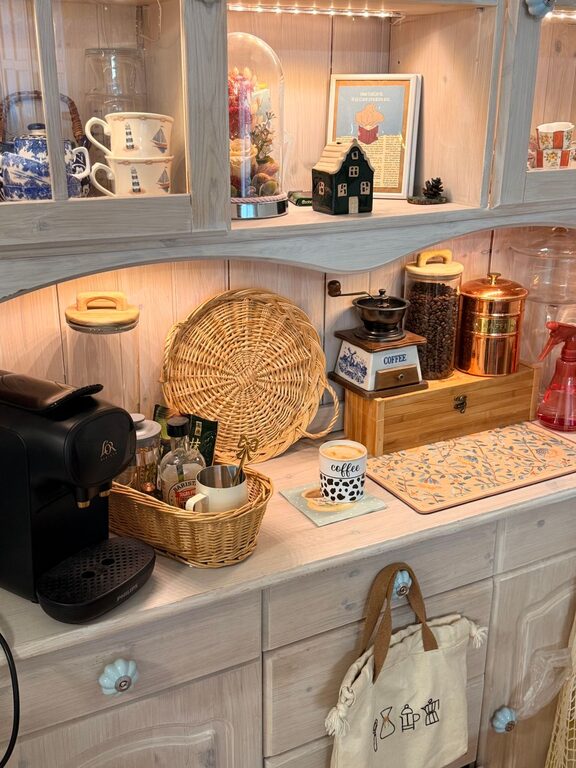
– A small sideboard or cabinet
– A bar cart
– A shelf near the dining table
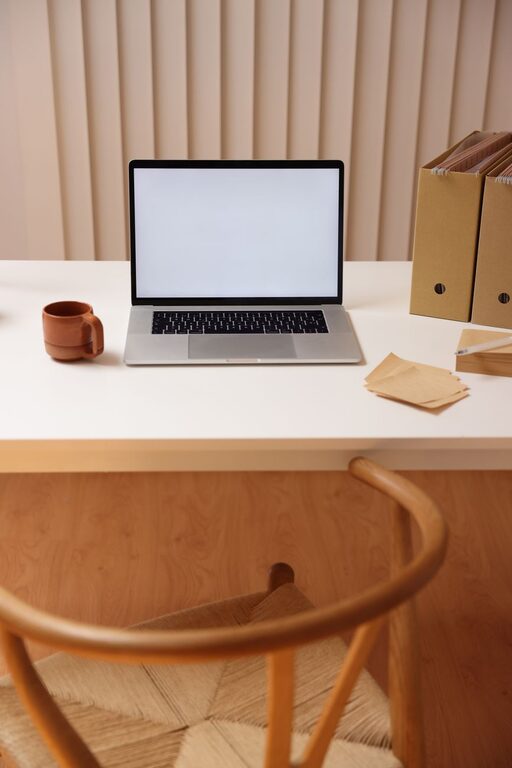
– A section of a home office
– A dedicated nook in a dining or breakfast area
If you use an electric coffee maker, place the station near an outlet. Keep cords neat and avoid running them across walkways or areas where they can be pulled accidentally. It is also helpful to place the station near a water source, especially if you fill the coffee maker frequently.
Choose a location that is easy to clean and away from excessive heat. A stable, level surface is important for coffee makers, grinders, kettles, and other equipment.
Decide What You Actually Need
A coffee station can include many accessories, but you do not need every available tool. Begin with the equipment that matches your preferred brewing method.
Basic coffee station essentials
Most home coffee stations include:
– Coffee maker, French press, or pour-over dripper
– Coffee beans or ground coffee
– Mugs or cups
– Spoons or stirrers
– Sugar, sweeteners, or flavorings
– A small trash or compost container
– Paper towels or a cleaning cloth
You may also want a kettle, coffee grinder, measuring scoop, milk frother, or storage containers. If you enjoy different brewing styles, make sure the station still has enough open space to work comfortably.
Avoid filling the area with items you rarely use. A simple station is often easier to maintain and more pleasant to use than a crowded one.
Measure the Space Before Buying Accessories
Before purchasing shelves, trays, or storage containers, measure the available area. Check the width, depth, and height of the surface. Also measure the coffee maker, particularly if it has a lid that opens upward.
Leave enough space around the machine for filling, brewing, and cleaning. A little extra room can prevent spills and make the station more comfortable to use.
If you are using a shelf or cabinet, confirm that it can support the weight of your equipment. Heavy coffee makers, kettles, and containers should sit on strong, stable surfaces.
A tray can help define the coffee station and protect the counter from small spills. Choose one large enough to hold the main items without making them difficult to reach.
Organize Coffee and Supplies
Good storage keeps your coffee station tidy and helps you see what you have. Store frequently used items within easy reach and place less-used supplies in a drawer or cabinet.
Useful storage ideas include:
– Airtight containers for coffee beans or grounds
– A basket for tea bags and drink mixes
– A mug tree or shelf for cups
– Small jars for sugar, cinnamon, or cocoa
– A drawer organizer for spoons and accessories
– Hooks for measuring scoops or reusable filters
– A narrow rack for syrups or flavorings
Coffee is best stored away from heat, moisture, and direct sunlight. An airtight, opaque container can help protect its freshness. Labeling containers is useful if you keep several types of coffee or store similar-looking ingredients.
Keep milk and other perishable ingredients in the refrigerator rather than at the coffee station. For a convenient routine, place a small pitcher or container in the refrigerator so it is easy to bring out when needed.
Arrange Items for an Easy Routine
Think about the order in which you prepare your coffee. Arrange items from left to right or front to back based on that routine.
For example, you might organize the station like this:
- Coffee beans or grounds
- Grinder or scoop
- Coffee maker or brewing tool
- Cups and spoons
- Sweeteners and flavorings
- Cleaning cloth
This arrangement reduces unnecessary movement and helps keep the counter organized. Place the items you use every day in the most accessible locations. Store occasional items, such as special serving pieces or extra filters, nearby but out of the way.
If several people use the station, consider keeping common supplies at the front. A small label or simple sign can also help family members know where everything belongs.
Add Personal Style
A coffee station can be practical and attractive at the same time. Choose a style that fits the rest of your home instead of treating the area as a completely separate display.
You can add personality with:
– A small framed print
– A plant or vase of dried flowers
– A decorative tray
– Coordinated mugs
– A wall shelf
– A chalkboard or letter board
– A textured runner or mat
Keep decorations away from hot surfaces, steam, and areas where they could be splashed. Avoid placing fabric directly under equipment that may leak or produce heat.
For a clean appearance, limit the color palette to two or three complementary colors. Matching containers and mugs can make a small station look more organized without requiring expensive decor.
Make the Station Work in a Small Space
You do not need a large kitchen to create a useful coffee station. In a small area, focus on vertical storage and multipurpose items.
A wall-mounted shelf can hold mugs, coffee containers, and small decorations. Hooks underneath the shelf can store cups or scoops. A narrow cart can provide additional storage and be moved when needed.
If counter space is limited, use a cabinet with a pull-out shelf. This allows you to store equipment when it is not in use and create a temporary work area when needed. Another option is to keep extra supplies in a nearby pantry and place only daily essentials at the station.
Choose compact equipment when possible, but make sure it still suits your brewing habits. A smaller station should be convenient, not difficult to use.
Keep It Clean and Easy to Maintain
Regular cleaning helps your coffee station stay pleasant and prevents buildup from coffee, milk, sugar, and water. Wipe the counter and tray regularly, and clean the coffee maker according to the manufacturer’s instructions.
Create a simple maintenance routine:
– Empty used grounds or pods after brewing
– Wipe up spills immediately
– Wash mugs and tools regularly
– Clean the grinder and brewing equipment as directed
– Refill supplies before they run out
– Check containers for old coffee or ingredients
– Dust shelves and decorative items
Keep a washable cloth near the station for quick cleanup. If you use reusable filters or tools, give them enough room to dry properly before storing them.
Once a week, remove everything from the station and clean the entire surface. This is also a good time to check whether an item is taking up space without being useful.
Create a Station You Will Enjoy Using
The most successful coffee station reflects your daily routine. If you enjoy slow weekend brewing, leave room for a scale, kettle, and favorite mug. If you need coffee quickly in the morning, keep the setup simple and place essentials within easy reach.
Start with the basics, then improve the station over time. You can add storage, accessories, or decorations as you learn what works best. A well-planned coffee station should make brewing easier, keep supplies organized, and bring a small sense of comfort to your everyday routine.